Why two HVAC maintenance quotes can be far apart
Identify the scope, access, equipment and reporting differences that can explain a wide gap between two commercial HVAC service quotes.
Compare the denominator before the dollar amount
Two quotes can differ because they price different equipment, tasks or risk. Start by counting the assets each bidder included. A roof survey may reveal an exhaust fan or a split-system outdoor unit that was absent from the original list. Do not force the total into a per-unit comparison until both bidders are pricing the same register.
Capacity is another incomplete denominator. A cost-per-ton calculation can help organize a portfolio, but it does not measure access difficulty, condition, controls complexity or the work required. Treat it as a secondary reporting measure rather than a substitute for a task-based comparison.
Labor assumptions and access arrangements
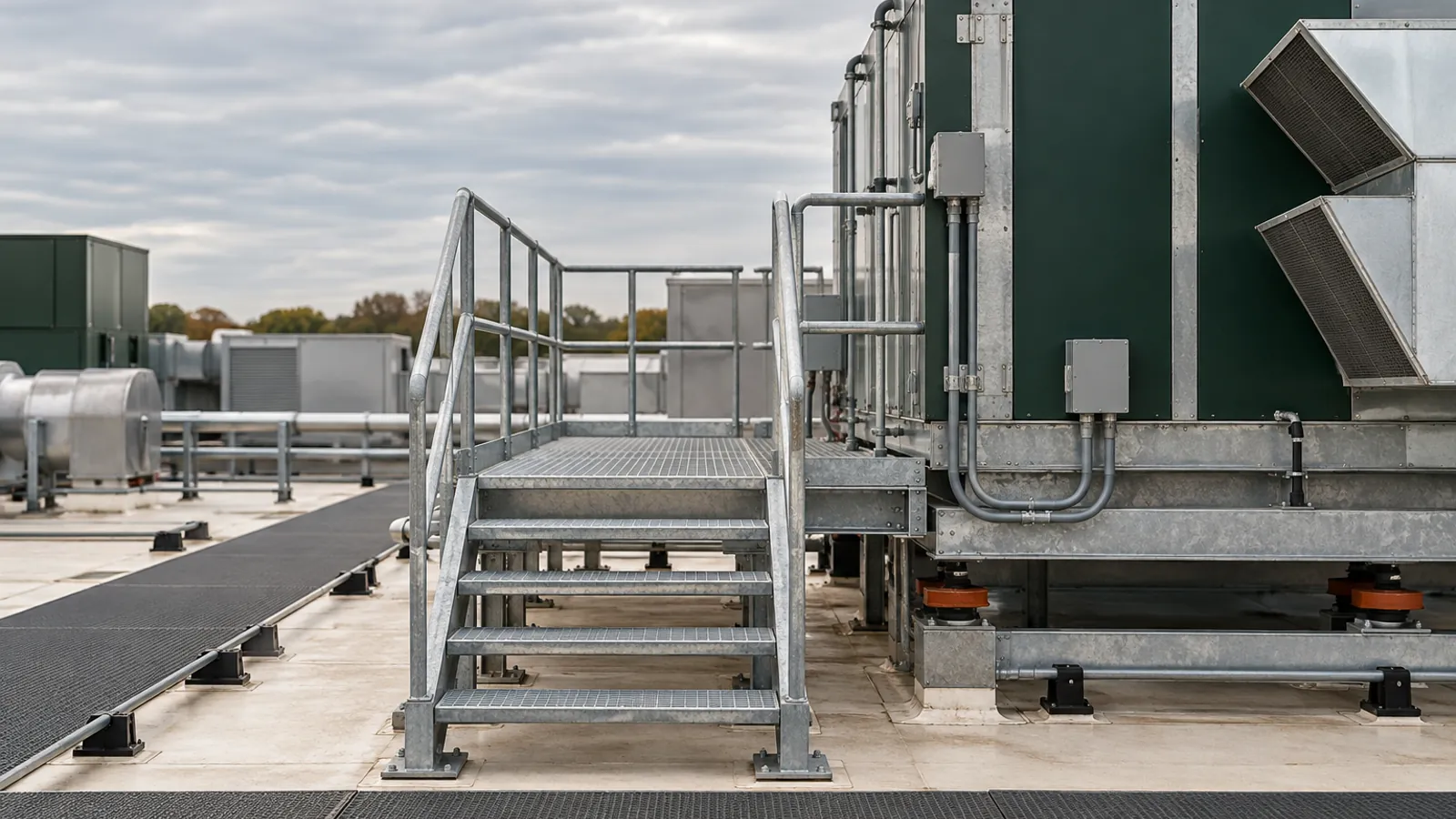
A bidder may assume normal working hours, unrestricted roof access and a single mobilization. Another may include tenant escorts, security induction and work outside occupied hours. Those are commercially different scopes. Ask each bidder to explain the access assumptions behind the price, including who provides keys, safe routes and shutdown approval.
Separate waiting time from hands-on time when reviewing a proposal. Do not assume a quoted labor hour is an hour spent on the equipment. Travel, setup, paperwork and cleanup may be included or separate. The procurement objective is to make the treatment explicit, not to dictate an unsupported national labor rate.
Equipment condition changes the starting line
Routine service pricing may assume equipment is operable at contract start. A bidder who sees damaged panels, inaccessible coils or an existing fault may exclude those conditions or propose an initial corrective package. Ask for photographs and an asset-specific explanation of any startup work.
Do not let the annual agreement quietly absorb an undefined backlog. Request a base price for ongoing service and a separate price for bringing known defects to an agreed condition. If the contractor cannot inspect before quoting, label the price provisional and define how survey findings can change it. A vague condition exclusion creates uncertainty even when the annual fee looks attractive.
Materials, cleaning and reporting are real scope
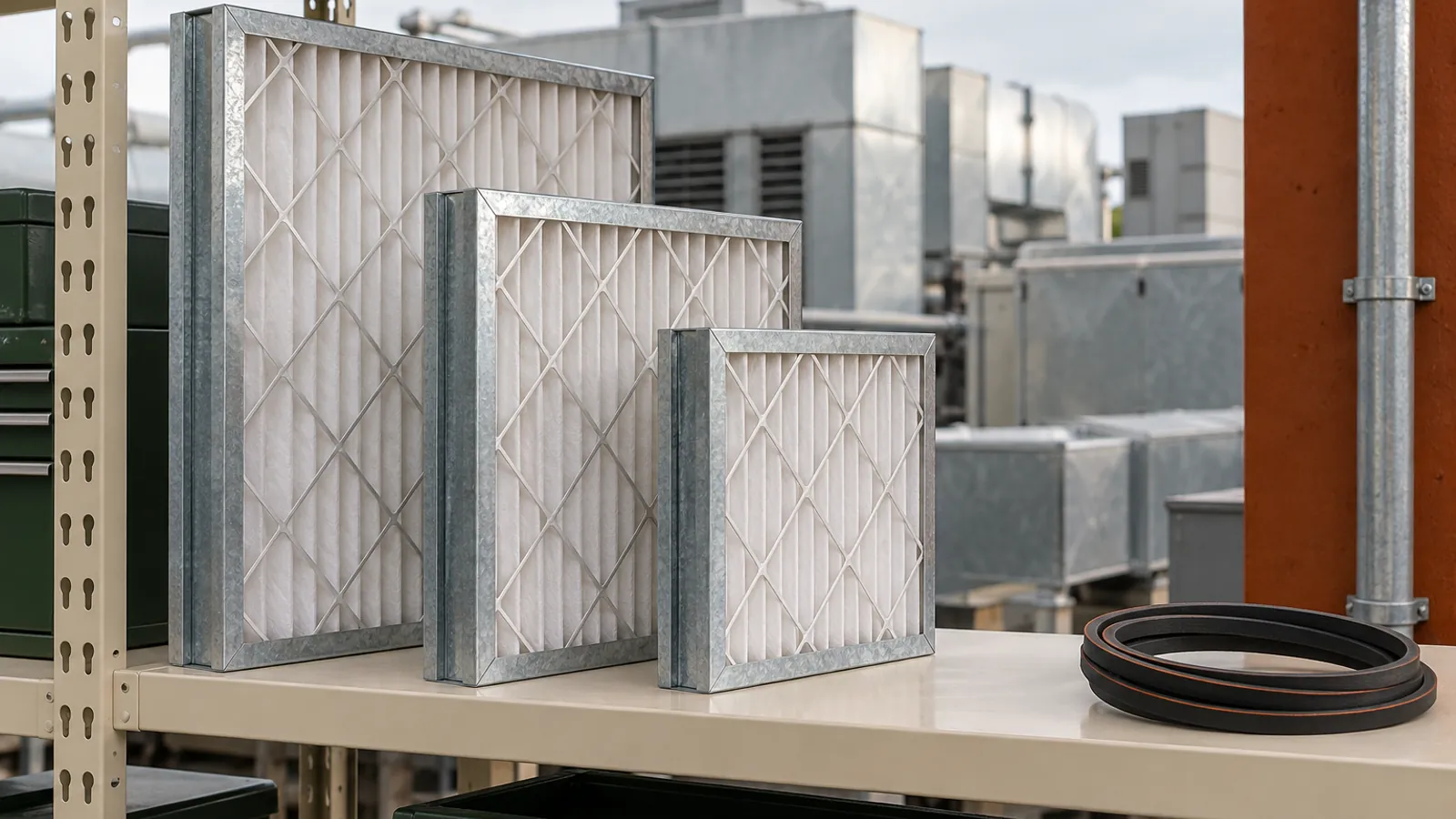
Filters may differ in size, specification and quantity. Cleaning may mean a visual check in one proposal and a separately scheduled task in another. A report may be a checked attendance box or a record of measurements, defects and follow-up actions. List these deliverables rather than assuming that familiar contract labels imply the same work.
For consumables, ask for the approved specification and substitution process. For cleaning, ask how the need will be assessed, who authorizes it and whether it is included. For reporting, request a sample with identifying information removed. Documentation should help the facility act on findings, not merely confirm that someone attended.
A quote-normalization example
Illustrative example: Bid A is $4,800 annually and excludes $700 of filters plus $500 of expected access support. Bid B is $5,700 and includes those same items. On those invented assumptions, A normalizes to $6,000 and B remains $5,700. This does not make B the winner; technical scope and contractual terms still need review.
| Difference | Ask each bidder | Record |
|---|---|---|
| Asset count | Which IDs are included? | Common equipment list |
| Visit scope | Which tasks at each attendance? | Task matrix |
| Consumables | Included quantities and specifications? | Annual allowance |
| Repairs | Included, capped or excluded? | Authorization terms |
| Reporting | What evidence is delivered? | Sample report |
Resolve the gap with an exception schedule
Send the same clarification questions to both bidders and retain the answers. Create an exception schedule that lists every deviation from the requested scope. Price only those differences for which you have a supported allowance. Leave unknown amounts marked unknown rather than entering zero.
If a quote remains substantially different, ask the bidder to confirm that the scope is understood and the annual arithmetic is correct. Avoid assuming either incompetence or hidden value. A reviewable selection explains the material differences, the remaining uncertainty and why the chosen arrangement fits the facility. A qualified technical reviewer should evaluate equipment-specific adequacy before procurement concludes.
Distinguish a price change from a scope change
At renewal, ask for a bridge from the old annual figure to the new one. Identify changes in equipment count, tasks, materials, access and contract terms separately from changes in the price of unchanged work. Do not describe the entire increase as inflation when part of it buys additional service.
Conversely, an unchanged fee can conceal a reduced scope. Compare the task matrix and exclusions as well as the annual total. Keep the bridge with the approved renewal so the next manager can understand why the amount changed. This is a request for transparent commercial explanation, not a claim that the contractor must use a particular pricing model or disclose confidential internal costs.
FAQ
Does more equipment always reduce cost per unit?
Not necessarily. Shared mobilization may help, but access, task complexity and condition can offset it. Ask the bidder to explain.
Can I compare hourly rates alone?
Only as one component. Included time, minimum attendance and the expected scope affect the total.
Should missing items be treated as included?
No. Request written clarification before scoring or signing the proposal.
Related decisions
- Commercial HVAC maintenance costs: build a defensible annual budget
- What a commercial HVAC maintenance contract should spell out
- Budgeting maintenance for a fleet of rooftop units
- Filters and consumables: stop double-counting the small costs
- How to set an HVAC repair reserve without pretending to predict failures
- Refrigerant costs and 2026 rules: verify applicability before budgeting
- Compare service arrangements
- Use the related planning tool
Sources and limits
- ENERGY STAR — Operation and Maintenance Best Practices — operating schedules, documentation and performance tracking; not price data.
Source links were checked during this implementation on October 30, 2026. Dollar examples are original illustrative arithmetic, not official prices. This guide is general planning information; building-specific technical, safety and compliance decisions require qualified review.